
Fueling the Work

I’ve been posting a little more sporadically here as my fundraising and training ramp up. Lately I’ve been experimenting with shorter, bite-sized content on Instagram too: dad_werk
One theme that keeps coming up in my training: fuel.
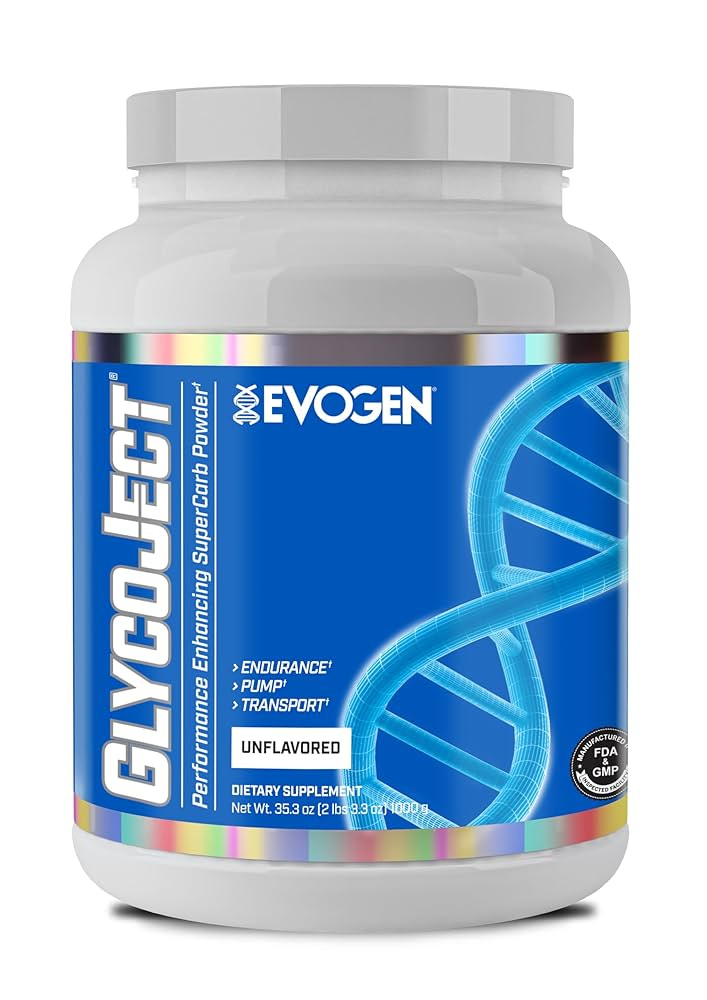
I keep hearing it’s one of the most important things to get right for marathons. And honestly? I’m behind on perfecting this. I just stocked up on new gels, waffles, and energy bars to test out. The one thing I do swear by is a scoop of Glycoject before every long run. My brother-in-law put me on to it. It’s basically liquid carbs, and the difference in my performance when I take it vs. when I don’t is obvious.
Hydration & electrolytes
This is where I’ve been digging in the most. The rule of thumb I’ve found:
Hydrate early and often. Most sports medicine guides suggest ~4–6 oz of fluid every 20 minutes during long runs (Mayo Clinic).
Don’t just drink water. When you sweat, you’re losing sodium, potassium, and magnesium — all critical for muscle function and preventing cramps (Cleveland Clinic).
Replenish electrolytes. Endurance nutrition researchers like Asker Jeukendrup recommend ~300–500 mg of sodium per hour for marathon training, which can come from sports drinks, gels, or salt tablets (Jeukendrup, Sports Science Exchange).
I’ll be trying this approach in my next long run on Saturday. Up until now, my Boston routine has been to run 10–12 miles straight, then swing by my truck for a quick refuel (sometimes candy, because hell yeah) and a Gatorade. Not exactly the pro setup — but I’m learning.

My everyday supplements
Outside of endurance fueling, I mostly stick to the basics for strength training:
Pre-workout / energy drink — just to get going.
Creatine — your body produces it naturally, and it’s one of the most studied and safe supplements for both strength and endurance (International Society of Sports Nutrition).
Whey protein — convenient and effective for hitting my 200+ g/day target (Harvard Health).
BCAAs — mixed evidence overall, but personally I notice a difference in recovery (Journal of the International Society of Sports Nutrition).
I used to take a men’s multivitamin, but after reading up, I’m leaning on a more balanced diet instead.
Where I land right now
Proper nutrition and fueling is a gamechanger. I’ve done plenty of fasted cardio and intermittent fasting in the past — and I still think it can work depending on your goals. But right now I’m focused on performance. My lifts are less frequent, so I want each one to be intense and count. Same with my runs — if fueling can give me an edge, I’ll take it.
Question for you all: What’s your go-to mid-run fuel? Gels, chews, salt tabs, or just old-school Gatorade?